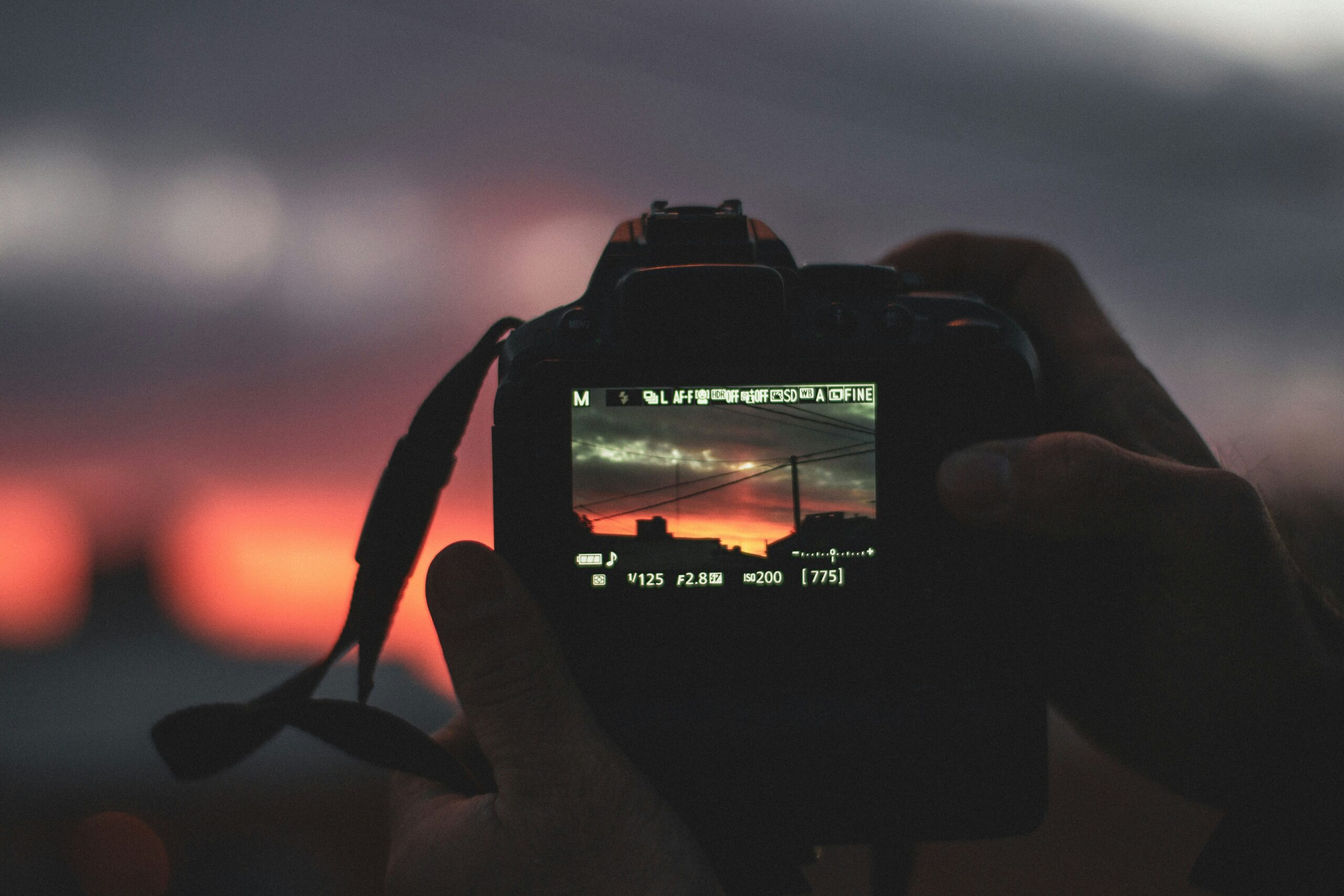
Photography continues to shape how we see the world, creating lasting memories with a single click. Although the field keeps evolving, its purpose remains the same: to tell a story in a way words sometimes cannot. Because people carry cameras almost everywhere, photography feels more accessible than ever. Even so, learning how to use it well takes curiosity, practice, and a desire to capture moments with meaning. While technology helps, the photographer’s eye still decides when a picture truly speaks.
Today, photography influences art, communication, travel, and even daily life. As people scroll through images, they connect with places and emotions that feel both familiar and new. Although millions of photos are taken each day, only a few stand out. The ones that do usually carry intention. When photographers understand light, composition, and timing, their images feel more powerful. Since these skills improve with experience, anyone can grow through simple practice and thoughtful observation.
Understanding the Purpose of a Photograph
A photograph can serve many purposes. Some images help preserve memories, while others tell a story or attract attention. Because photography plays different roles, photographers often try to match their skills with their goals. For example, a family photo aims to record a moment in time, while a travel image seeks to inspire curiosity. Even commercial photos focus on persuasion, which shows how flexible the art can be. As you explore these roles, you begin to appreciate how much a single image can achieve.
Purpose also influences emotion. When a photographer understands the feeling they want to create, their images grow stronger. Although the viewer may not know the story behind the photo, they often sense the intention. A peaceful landscape can calm the mind, while a vibrant street scene can energize it. Since photography connects emotion with visual detail, meaningful images stay with us long after we see them.
Light and Its Influence on Every Shot
Light shapes photography, and understanding it makes every image stronger. Natural light changes throughout the day, which means photographers must pay attention to timing. Because morning and evening light feels softer, many people prefer those hours. This gentle glow adds warmth and reduces harsh shadows. However, midday light creates brighter contrast, and while it can be challenging, some photographers enjoy using it creatively. As you experiment with different light conditions, you learn how each one affects mood and texture.
Artificial light also plays a major role. Many photographers use studio lights or small portable tools to shape their images. Since artificial light allows full control, it helps photographers create consistent results. Although it may take time to learn, understanding how to balance shadows and highlights leads to more polished work. Whether you use natural or artificial light, your ability to see and shape it improves your photography.
Composition That Tells a Stronger Story
Composition guides the viewer’s eyes. When elements inside the frame feel balanced, the image becomes easier to understand. Many photographers use simple techniques that help create structure. One well-known method is to place important subjects slightly off-center to add interest. Since this approach feels natural, it draws attention without effort. Other methods involve leading lines, patterns, or gentle symmetry. Because these elements appear in everyday settings, photographers can practice almost anywhere.
However, composition goes beyond rules. It encourages photographers to think. When you move closer or change angles, you shift the story. A low angle makes a subject appear powerful, while a high angle creates a gentle and calm feeling. Since these choices change the message, composition lets photographers communicate more clearly. With practice, you start noticing opportunities that others might miss.
Emotion in Everyday Photography
Emotion plays a major role in compelling photography. Even simple moments can become powerful when captured with intention. A laughing child, a quiet sunrise, or a thoughtful expression can each trigger a personal memory. Because emotion connects people, many photographers try to capture feelings rather than just scenes. As you notice small details, such as a hand gesture or a shadow on the wall, you start seeing emotional depth everywhere.
Photographers often build trust with their subjects to make emotional photography feel natural. When someone feels comfortable, their expressions appear more authentic. Even in candid photography, kindness and respect create better results. As a photographer learns to connect with people, they also learn to capture moments that feel honest and meaningful. This type of emotional storytelling stays with viewers longer than any technical detail.
The Role of Technology in Modern Photography
Technology continues to transform photography, giving photographers new tools to explore their creativity. From smartphone cameras to advanced mirrorless systems, people have more options than ever before. Since phones are convenient, many photographers take their first steps by capturing everyday scenes. As they grow, they may choose more specialized equipment that offers greater control. Although technology helps, the photographer’s vision still matters most.
Editing also plays a major role. Modern software allows photographers to adjust light, color, and sharpness with ease. Because editing helps polish an image, it can bring out details that might have been lost. Yet, photographers often learn to use editing lightly, which keeps the photo natural. As you practice these tools, you gain confidence and learn how to enhance images without distracting from their meaning.
Finding Your Style in a Crowded Visual World
In a world full of images, developing a personal style helps photographers stand out. Style can grow from color choices, angles, emotions, or even the subjects you prefer. Although it may feel difficult to define at first, your style becomes clearer with experience. As you shoot regularly, patterns begin to appear. Since photography reflects your perspective, your voice grows stronger over time.
Exploring different genres can also help. Portraits, landscapes, street photography, and macro photography each offer unique challenges. When you try new genres, you learn more about what inspires you. Sometimes, your favorite style appears unexpectedly as you experiment. Since photography offers so much variety, there is always room for growth. The more you explore, the richer your work becomes.
Photography as a Lifelong Journey
Photography encourages continuous learning, which makes it enjoyable for beginners and professionals alike. Each time you pick up a camera, you discover new angles, new stories, and new challenges. Because the world keeps changing, photography stays fresh. Even familiar locations look different with shifting weather, new subjects, or changing light. This variety keeps photographers interested and motivated.
Moreover, photography helps connect people through shared experiences. Whether you join clubs, take classes, or participate in online communities, you build relationships around a shared creative passion. These connections encourage you to keep practicing. Since everyone sees the world differently, you learn from each person you meet. Photography becomes more than a skill; it becomes a community.
Photography remains one of the most powerful ways to capture and share the world. With practice, patience, and curiosity, anyone can learn how to create meaningful images. The journey brings creativity, connection, and joy, which makes it worth exploring at every stage.