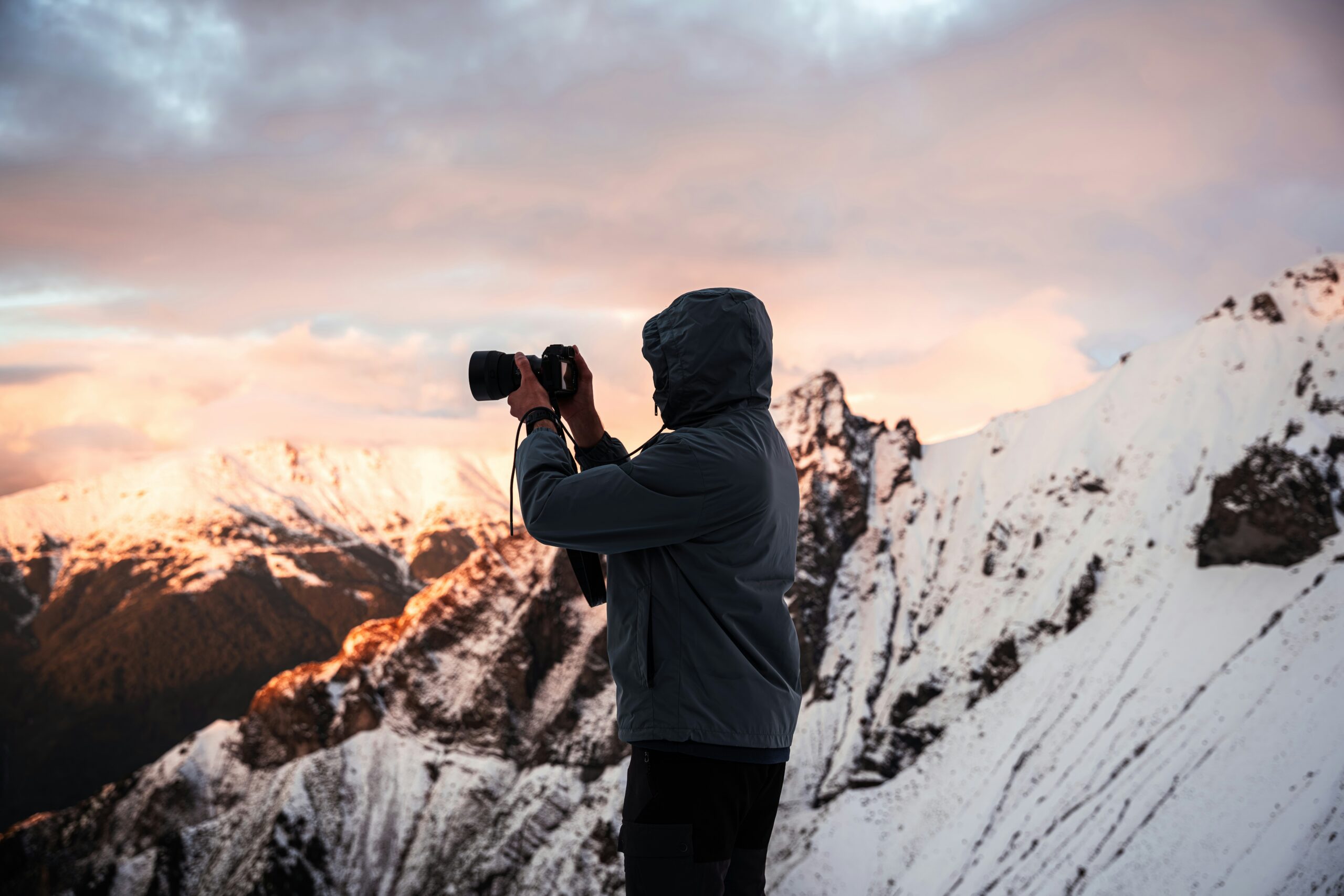
Photography feels exciting because it allows you to capture moments in ways that reflect how you see the world. When you practice with intention, you improve your photography skills faster and gain confidence with every shot. Many beginners feel overwhelmed, yet professionals rely on simple concepts and professional photography ideas that anyone can learn. As you explore these techniques, you will discover how minor adjustments change the quality of your photos in meaningful ways. Each section guides you through methods that build your understanding and sharpen your eye.
Understanding Your Camera
Learning your camera well helps you improve your photography skills quickly because you make decisions with purpose. When you explore every setting, menu, and mode, you begin to understand how each part shapes your final image. Although automatic features feel convenient, they limit your control. Manual adjustments allow you to respond to changes in light, movement, and mood. As you practice, these choices become easier, and you start capturing photos that match your vision.
The exposure triangle remains the foundation of good photography. Aperture affects depth, shutter speed controls motion, and ISO adjusts brightness. These elements work together, so you must balance them to create clear, sharp images. When you experiment with different combinations, you learn how each setting influences the scene. Therefore, your confidence grows as you recognize patterns and respond to them quickly.
Working With Natural Light
Natural light influences the mood and clarity of your photos more than any filter or edit. When you understand how sunlight shifts throughout the day, you improve your photography skills with ease. Soft morning and evening light creates warm, flattering tones. Midday sun creates harsh shadows, but you can adjust your angle or move to a shaded area for smoother results. Observing these changes helps you choose the best moments to shoot.
Although harsh light may feel difficult, it teaches you how to control contrast and shape your subject. Sometimes, stepping slightly to the left or right can transform the entire look of your shot. Because natural light behaves differently in every environment, practicing outdoors expands your ability to adapt. Soon, you will recognize when light enhances your subject and when it distracts from the story.
Mastering Basic Composition
Good composition gives your photos structure and flow. When you improve your photography skills through composition, you learn how to guide the viewer’s eye naturally. The rule of thirds helps you place subjects where they feel balanced, while leading lines draw attention toward essential details. Although these ideas seem simple, applying them consistently produces stronger, more meaningful images.
You can also use negative space to create calm, open scenes that highlight your subject. Filling the frame adds intensity and removes distractions. By shifting slightly or adjusting your distance, you change the emotional impact of your shot. Because composition relies on choices rather than equipment, practicing every day strengthens your creative judgment.
Achieving Sharp and Clear Images
Sharpness remains one of the most essential qualities in professional photography. When you improve your photography skills by focusing on clarity, your images look more polished right away. Using the correct focus mode makes a difference: moving subjects require continuous tracking, while still subjects need precise single-point focus. Practicing with both modes helps you react quickly during real moments.
Steady hands also improve sharpness, as reasonable motion control helps reduce camera shake. Holding your camera close to your body increases stability, while using a stable surface adds even more support. Fast shutter speeds freeze action, and slower speeds capture motion creatively when your camera stays still. As you learn which situations require which settings, your images become consistently sharper and more dependable.
Exploring Creative Techniques
Creativity helps you improve your photography skills beyond technical control. Trying new methods encourages fresh perspectives and prevents your photos from feeling repetitive. Long-exposure shots create dreamy effects with moving water or glowing light trails. Reflections in windows, puddles, or mirrors add depth and artistic interest. Because these techniques rely on timing, patience becomes part of your creative process.
Changing your angle also transforms your shot. Shooting from above softens the mood, while shooting from below adds strength and drama. Minor adjustments change how viewers feel about your subject. Experimenting with these techniques builds confidence by showing you how every decision shapes your artistic style.
Editing for Better Results
Editing enhances your photos while preserving their accuracy to your original vision. When you improve your photography skills through thoughtful editing, your images gain polish and consistency. Adjusting brightness, contrast, color, and detail helps you highlight essential elements without overprocessing the scene. By starting with light edits, you maintain natural textures and tones.
Presets offer a quick way to create cohesive looks, especially when you want a consistent style across multiple images. However, editing works best when you stay subtle. Overediting creates unnatural results that distract from your subject. Because editing reflects your unique taste, your style develops as you practice and refine your choices.
Building a Consistent Practice
Regular practice helps you improve your photography skills more than any single technique. When you take photos often, you gain confidence, speed, and awareness. Even simple daily challenges strengthen your ability to observe light, shapes, and movement. Over time, minor improvements add up to significant progress that feels rewarding.
Reviewing your old photos also guides your growth. You notice what changed and what still needs work. Studying other photographers inspires you to try new ideas. With consistent practice, photography becomes more natural, and your style takes form through experience rather than pressure.
Choosing Tools That Support Your Growth
Although skill matters more than gear, the right tools help you improve your photography skills with greater ease. Starting with your current camera teaches you fundamentals. Later, upgrading your camera lenses creates sharper results and expands your creative options. Because lenses influence the look of your images more than camera bodies, choosing wisely brings lasting value.
Keeping your equipment clean and protected ensures reliable performance. Dust, smudges, and scratches degrade image quality, so regular care helps prevent problems. When your gear works smoothly, you stay focused on creativity rather than frustration. Over time, your tools support your vision as you continue growing as a photographer.